This page brings together research, reviews, and analyses related to AI Leap. It includes studies conducted or commissioned as part of the program, as well as independent research that has informed its development and approach. Together, these materials provide insight into the program’s progress, teachers’ and students’ experiences, and the broader opportunities and risks associated with AI in education.
Research and Reviews
Research and Reviews

First-Year Review 2025/2026
AI Leap’s first-year review provides an overview of activities, results to date, and lessons learned during the 2025/26 school year. The first year showed that the impact of AI depends on teachers’ skills and collaboration, students’ learning habits, and the agreements that schools are still developing.
The review is intended for everyone involved in the program, education leaders, and anyone interested in its work.

Teacher Survey: AI and Teaching
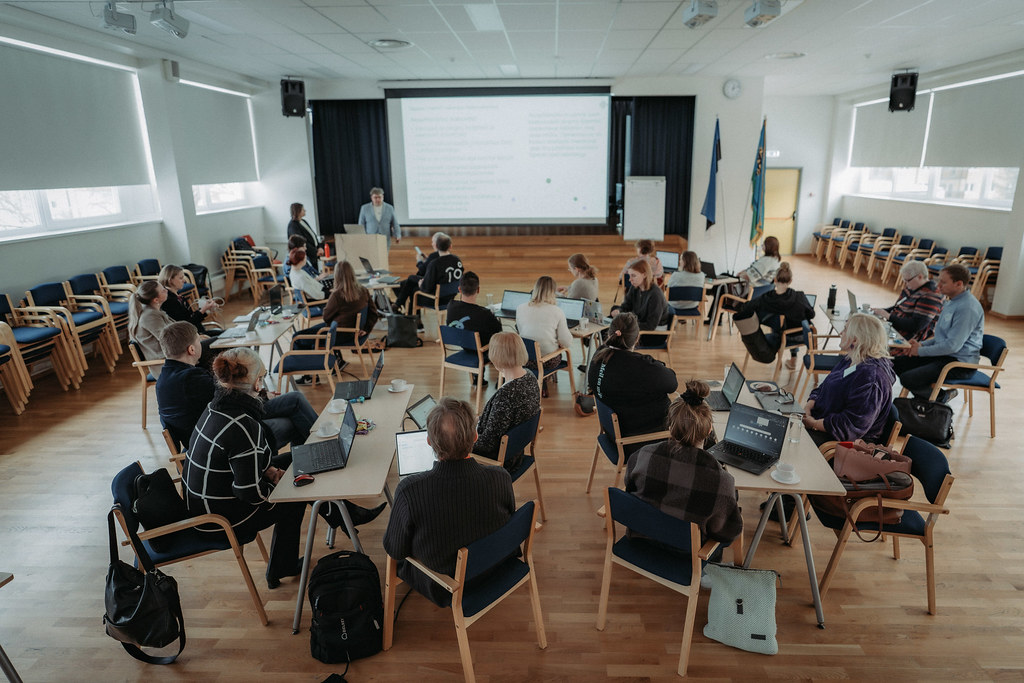
The survey provides an overview of AI use and collaborative learning among teachers who participated in the program. Conducted in spring 2026 with nearly 800 teachers, it examines the use of AI in teachers’ work, participation in professional learning communities, and changes to learning assignments, feedback, and assessment.
The summary helps explain teachers’ experiences to date and the support they need to use AI and learn together.
Students’ Perspectives: AI in School and Learning
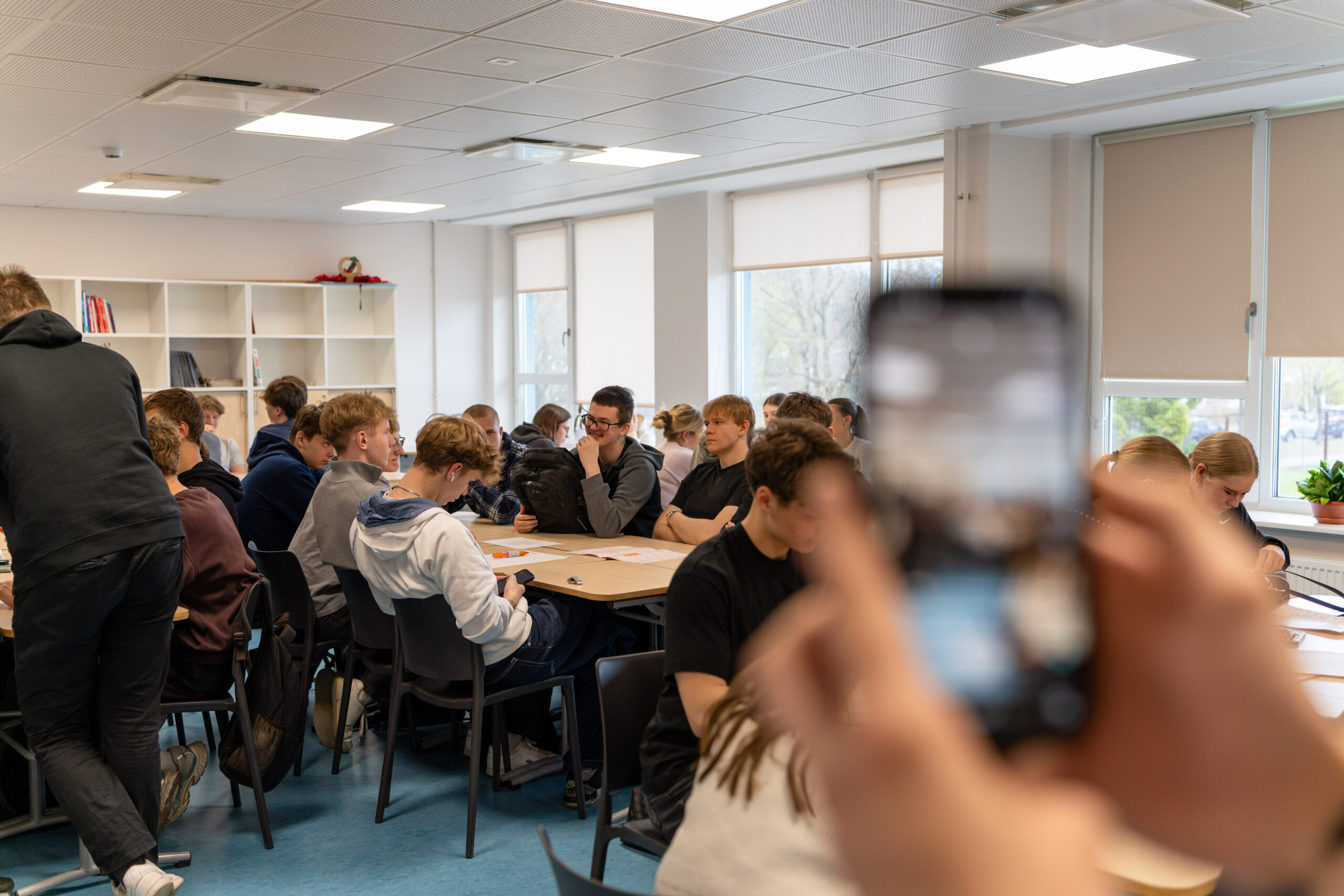
This summary presents discussions held in spring 2026 with 950 upper secondary students from 18 schools across Estonia. The discussions explored the role of AI in learning and everyday life, including its impact on creativity, relationships, social media use, and students’ outlook on the future.
The summary brings together students’ experiences, questions, and suggestions, helping clarify the agreements, guidance, and support they expect from schools.
Language Model Benchmarking
The Institute of the Estonian Language (EKI) is assessing the reliability of language models in Estonia’s linguistic and information environment. The first phase of the study compared how models respond to questions related to Kremlin propaganda in Estonian, English, and Russian, and how biased wording affects their responses. The overview presents the benchmark findings and EKI’s language model benchmarking tool, which brings together assessments of models’ Estonian language proficiency, cultural knowledge, and safety.

AI Leap Risk Assessment
This independent analysis by the Centre for Ethics, University of Tartu, examines potential risks associated with the AI Leap education program and its learning app. It considers effects on learning and teaching, human relationships, and Estonian language and culture, as well as questions of data protection and technology governance.
The document describes 12 potential risks, their causes and consequences, and recommendations for reducing them. It helps identify issues that require ongoing attention as the program develops and AI is used in schools.
The Learning App’s Impact on Students (Ongoing)
Commissioned by the Ministry of Education and Research, University of Tartu researchers led by Jaan Aru are examining how and under what conditions the AI Leap learning app affects students’ learning and development. Approximately 9,000 Estonian students are participating in the study. It focuses on learning motivation, beliefs about one’s abilities, learning strategies, and the ability to manage one’s own learning. Results are expected in late 2026.